Topic 1 of 5
Part 107 regulations
Last reviewed
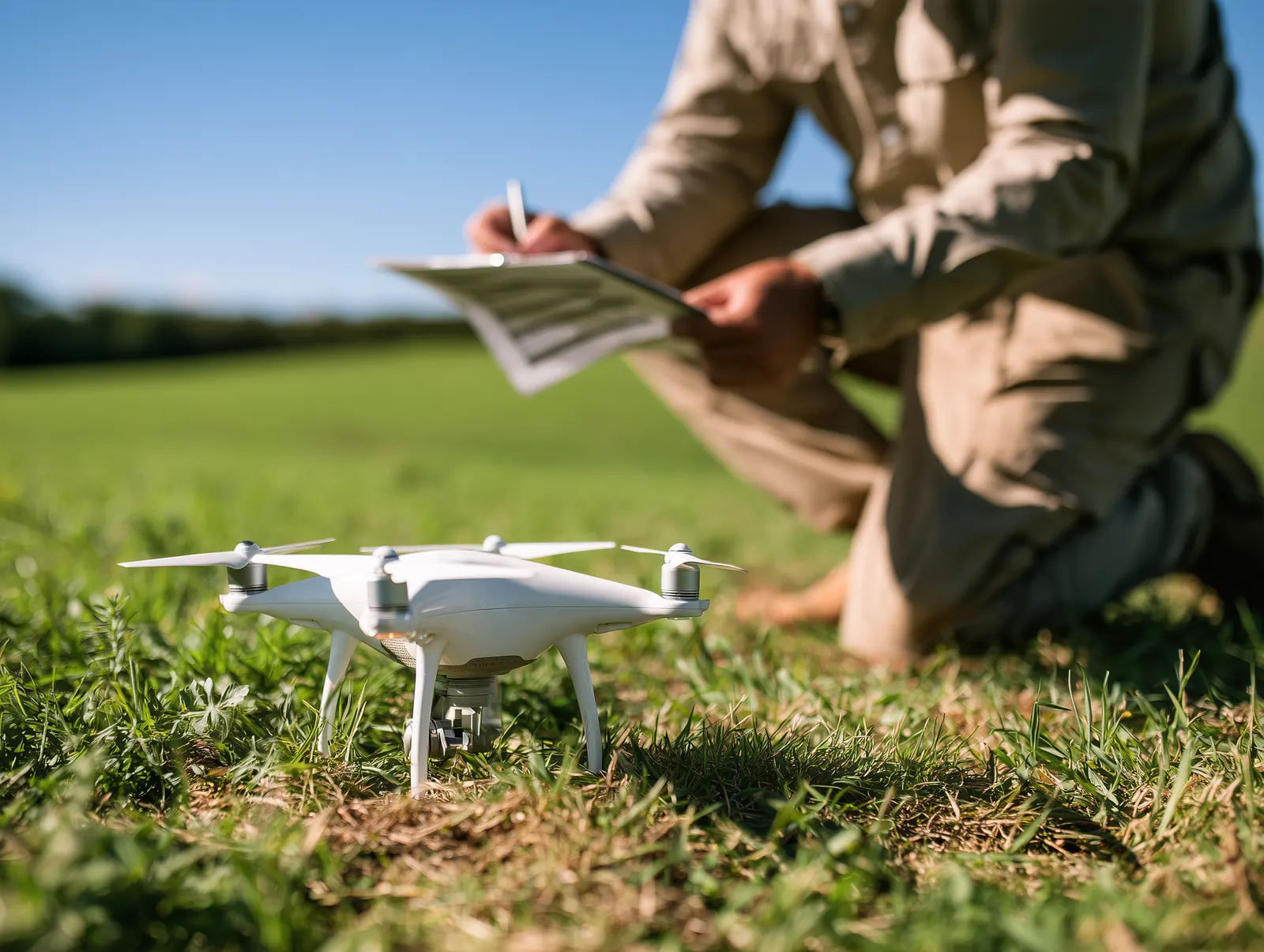
Part 107 is the FAA rule for flying small unmanned aircraft: drones that weigh less than 55 pounds at takeoff, including anything on board or attached (14 CFR 107.3). Many questions test the exact numbers below, so it pays to know them by heart.
Your certificate
To act as remote pilot in command you need a Remote Pilot Certificate with a small UAS rating (14 CFR 107.12). To get one you must be at least 16 and able to read, speak, write and understand English (14 CFR 107.61). To keep flying, you must have passed the initial test or completed recurrent training within the previous 24 calendar months (14 CFR 107.65).
The operating limits
- Groundspeed no more than 87 knots (100 miles per hour) (14 CFR 107.51).
- No higher than 400 feet above ground level, unless you stay within 400 feet of a structure and no more than 400 feet above its top (14 CFR 107.51).
- At least 3 statute miles of flight visibility from the control station (14 CFR 107.51).
- At least 500 feet below clouds and 2,000 feet horizontally from them (14 CFR 107.51).
- Keep the drone within visual line of sight, with no help except glasses or contact lenses (14 CFR 107.31), and fly only one drone at a time (14 CFR 107.35).
- Give way to all other aircraft (14 CFR 107.37).
Night, people and reporting
You may fly at night if you passed the knowledge test or completed the FAA training required by 107.65 after April 6, 2021, and the drone has anti-collision lighting visible for at least 3 statute miles. The same lighting is needed during civil twilight (14 CFR 107.29).
You may not fly over a person unless they are directly taking part in the operation, are under a covered structure or in a stationary vehicle, or the flight meets one of the operating categories in subpart D (14 CFR 107.39).
Within 10 calendar days you must report to the FAA any flight that causes serious injury, loss of consciousness, or more than $500 of damage to property other than the drone (14 CFR 107.9). In an emergency you may break any Part 107 rule as far as needed to deal with it, and must send a written report if the FAA asks (14 CFR 107.21).
The alcohol rule comes from Part 91: no flying within 8 hours of a drink, while under the influence, or with an alcohol concentration of 0.04 or more (14 CFR 107.27) (14 CFR 91.17).
Learn mode
Practice questions
Pick an answer to see whether it's right, with the explanation and FAA source.
Beta: these questions haven't been reviewed by a certified remote pilot yet. Spot a mistake? Report it.
Questions 1-10 of 103
Ready for a mixed set?
Take 20 questions from every topic and get a score with explanations.
Take the free test